Just fresh from completing the Barossa Wine School Educator course with the Barossa Valley Grape and Wine Association, and it is the ideal time to share:
What Is the Barossa Wine School and who is it for?
The Barossa Wine School program is a 101 of the Barossa. In a way it is designed as a sermon, to create disciples to share the word, the word of the Barossa. From the Barossa Grape and Wine perspective, the disciples are retailers, educators, writers, sommeliers, buyers from around the world, predominantly targeting the highest value market: China.
From my perspective, it is a wine nerds day out, delving into all the topics for the region that also make “wine” itself an interesting topic:
Culture, History, People, Theology, Geography, Geology, Economics, Viticulture, Winemaking, Scientific investigation, Sociology and the plain social aspect (vintage festival, the Barossa wine show, etc).
Through the 3 levels of the Barossa Wine School, it caters to all levels of interest taking you as far down the rabbit hole as you want to go.
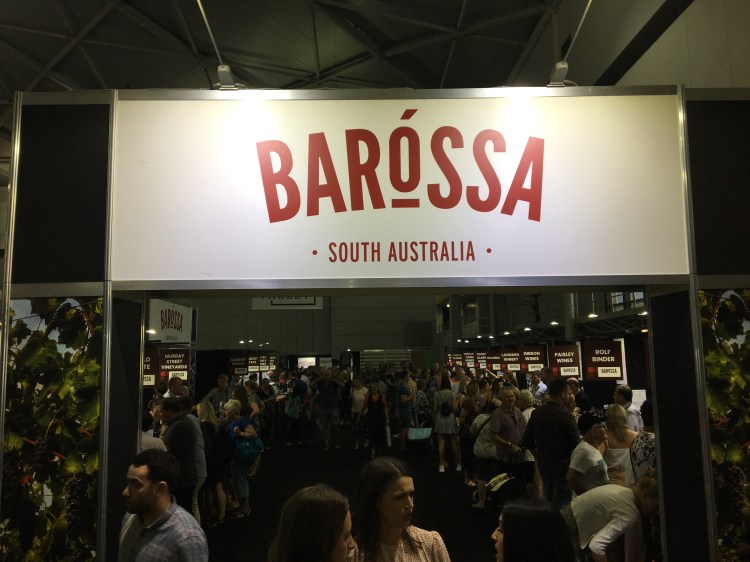
Firstly, anyone with a higher than average knowledge of, and interest in, Australia wine should definitely seek out an opportunity to sit this course. I personally think the Level One should be obligatory next to an RSA for anyone starting work at a Barossa cellar door.
But why Barossa?
To be honest, the type of course could be developed for most wine regions. However, it isn’t, and with reason. The Barossa is widely acknowledged as one of the best in the world, and for this course type, most likely one of the most interesting.
No other wine region rivals the Barossa for sheer weight of heritage and quality winemaking that oozes out of the Barossa’s pores. It tells the story of the production and history, the typical wine types, the sub-regions, and winemaking styles; all the basics you would get at any wine course, or even a solid structured wine tasting at a cellar door (albeit with more depth).
The focus on quality can be seen in the stats:
- Quality over quantity: Although the Barossa makes up 10% of Australia’s hectares under vine, it only produces 3.8% of the grapes (in tonnes).
- Price: this is rewarded in the price with Barossa wines fetching on average $16/litre, for exports, vs the Australian export average price of $5/litre.
- Critics: James Halliday, not widely known for the most sweeping statements states: “The Barossa can confidently lay claim to being Australia’s premier wine region.”
The part that sets this program aside, are the extra programs that are embraced by the Barossa that are at the core of the wine quality:
Barossa Grounds:
the Barossa’s answer to the French terroir maps, looking at the different styles of wines by the sheer geographical lay, climate, and soil of the distinct terroirs, or grounds, of the Barossa.
Old Vine Charter:
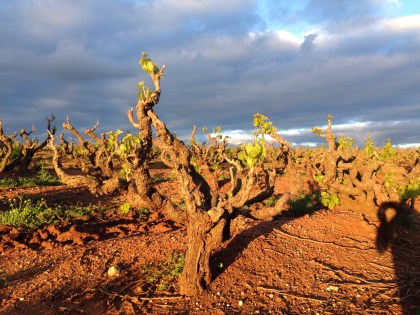
This is surely a no-brainer for marketing the area. The Barossa is home to the oldest Shiraz, Cabernet and Mourvedre vines growing on their own roots in the world.
The old vine charter tells the story of the treasured Barossa old vineyards, classifying by 35 years old (Old Vine), 70-year-old (Survivor), 100-year-old (Centenarian) and 125 years old (Ancient). Unbelievably, the area has just over 150 hectares of vines over 100 years of age including 31 hectares older than 125 years. I’ll say that again: 125 years.
That is a phenomenal story, and so humbly told it is almost shared with embarrassment. I could only imagine how some of our American cousins in Napa valley would be setting that off in fireworks.
Rare and Distinguished: Langtons Classification and the Super 100 initiative
Langtons Classification is a list of top wines from the Langtons Auction house, as judged predominantly by their sales performance on wine auction markets. Barossa wines make up an incredible 31 of the 136 Langtons classified wines, and that’s not even counting the wines of Penfolds that take a significant amount of their blends from the Barossa. 
The area is also home to more wines that sell for $100+ than any other area in Australia, an incredible stat. This has been recently captured (mainly for the Asian markets) in the form of the “Barossa Super 100 Classification“. The concept looks to be a copy of what the french did in 1856 with their Bordeau classifications: rank wines into classifications by their price.
Sure there are some quality criteria, but if this sticks anywhere near as well as the French classifications, then none of the wines in the top segments will need to rely on reviews. I personally would love to see it take off and be embraced by wineries in the region, proudly displayed and marketed as being in the classification.
Although these are stories I already tell daily as part of my current role, I cannot wait to bring this course material together and hold classes myself to bring this material to others.
Find further information about the courses and locations of delivery by clicking here
 - WINEDUCATION -