Recently speaking with a customer I heard the comment “Don’t tell me about medals, that’s all bulls##t”.
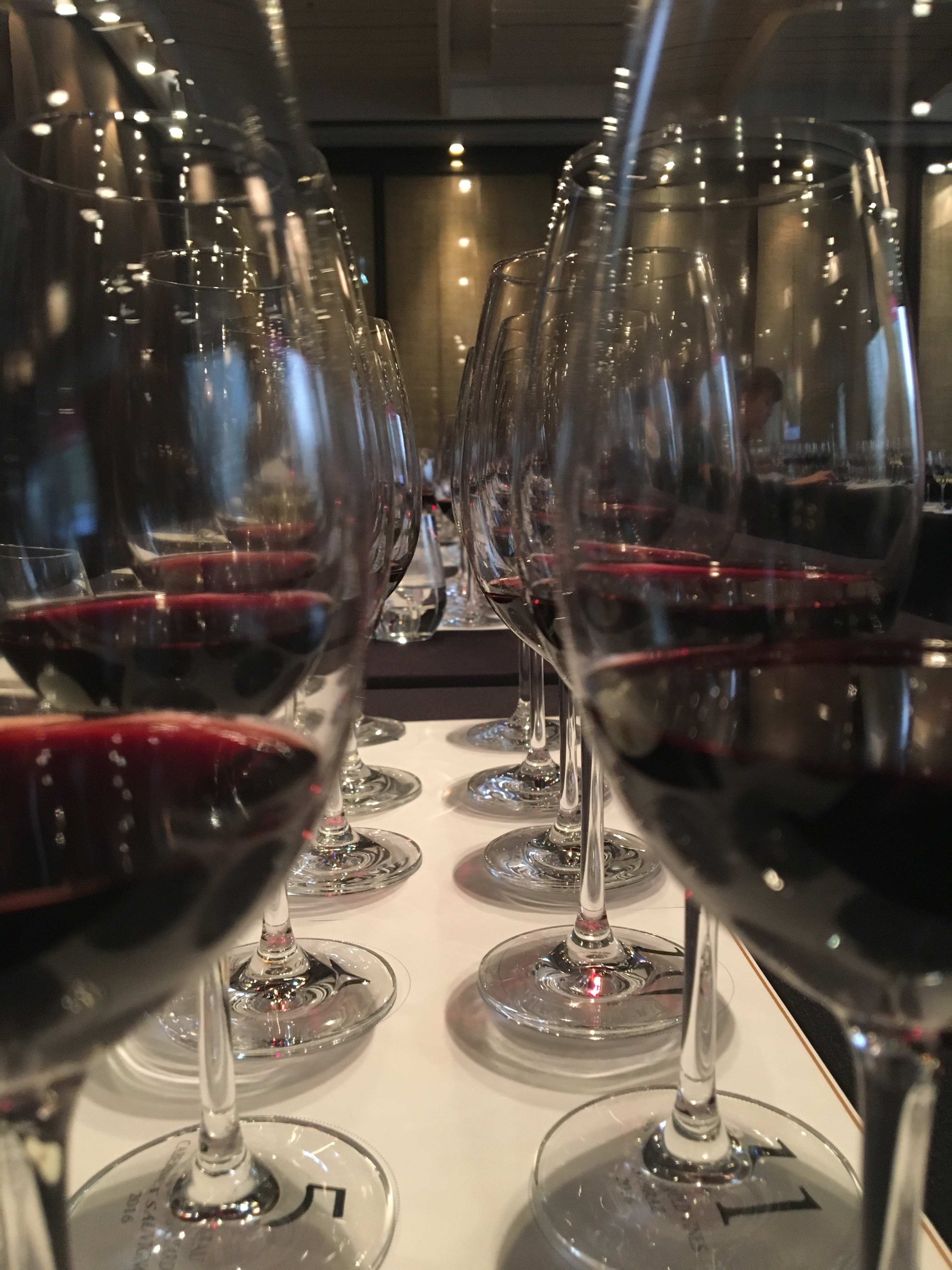
And with the amount of wine shows worldwide more than even the most astute wine expert to be familiar with, who can blame him. That said, wine medal claims are there for a reason, and if you can decode them, they certainly can be a very useful endorsement for the quality of a wine over others.
In Australia, there is a standard of wine judging training and benchmarking which has the vision of setting the standard of a “Gold Medal” wine, regardless of which wine show. To become a judge requires immense tasting experience and training, as well as cutting your teeth assisting at many shows as a junior judge and as an associate judge, before promotion.
The issue in any wine show, however, is inconsistency. The first problem is the criteria set by the show itself, the variation in “classes” for submission not to mention the undeniable personal preferences of the judges, especially the chairman of judges who ultimately has the final say in any disputes. And these are people trained and selected for their impeccable, and consistent palates to work to a tasting criteria. The goal is: objectivity.
But how objective can you be when taste and perception is so subjective? If I pick a shade of blue and say “this is blue” then by default all the other shades of blue are judged as inferior.
The intention is good. Wine shows, just like any agricultural shows, developed with the noble goal of “improving the breed”. In countries where winemaking was a new craft, getting producers together to compare their products with their peers with a forum of sharing knowledge to improve the general quality of all wines in the region, and ultimately the country.
A Win-win. All boats rise with the tide.
Times change. The general standard of winemaking in countries like Australia means a faulty wine is almost on purpose (see: natural wines). The medals awarded are more collected as a marketing token to ensure quality, but is that really a problem?
For me, the problem is not the shows themselves, its the asymmetry of information between the wine industry and the everyday wine buyer. In a normal wine shop, you will be inundated with medals and trophies and point scores not to mention some with the producers’ own “seal of approval” in gold. Even worse is the fact that some of the very best wines don’t even bother to add medal stickers to their bottles, so you won’t even know without any prior investigation.
How are we supposed to navigate that?
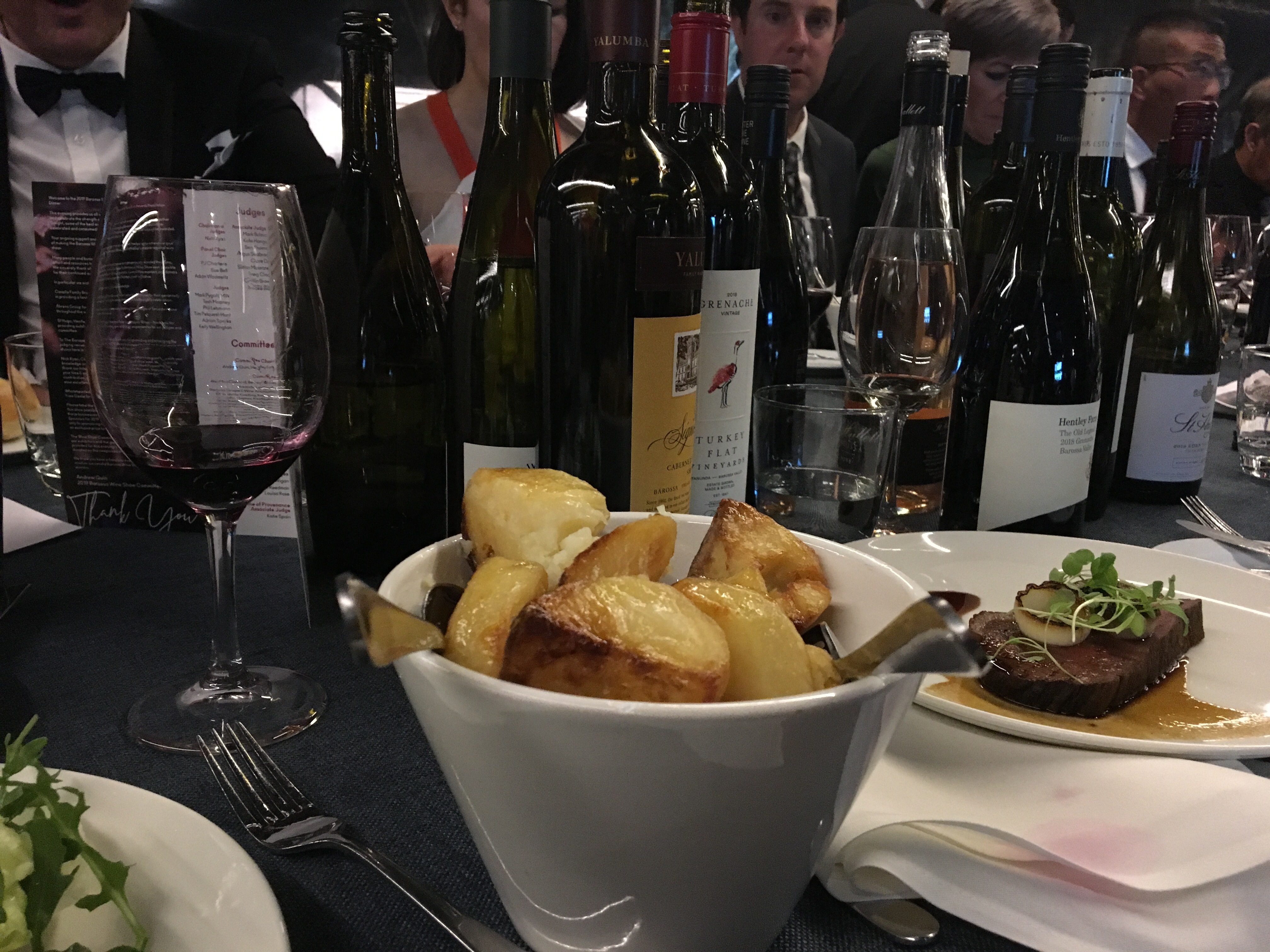
I personally believe there are way too many wine shows. It is the boy that cried “gold” instead of wolf. The sheer quantity of shows means the good ones big ones get lost in the noise.
How is my dad supposed to know that a Gold at the Sydney Royal Wine Show is a much higher stamp of quality than a Blue Gold at the Sydney International Wine Show?
How is he supposed to know that a 94 from Peter Nixon on the Dan Murphys page, while good, is not as strong an endorsement for the wine as a 94 from Wine Advocate or Huon Hooke?
Simply: he cant. And a lot of the time not even wine industry insiders can. Should we then call it all bullshit? Not at all, and if you stick to some simple rules, it may even help you pick an outstanding wine you may have not tried otherwise.
Your Cheat Sheet for Medal Stickers.
Respect them if:
- Gold at: Sydney Royal, Adelaide Royal, Melbourne Royal or National Wine Show in Australia. Decanter or Global Masters competitions internationally.
- Points of 90+ from: Halliday Wine Companion, Huon Hooke, The Wine Front, Robert Parker, James Suckling, Jancis Robinson and, of course, Wineducation (!)
Disclaimer: there are many many more reputable wine shows and wine writers that are providing consistent reviews. This is a simple list of some of the more “Olympic Games” level awards for simplification.
 - WINEDUCATION -
Very interesting Mitch and a good read. I have a million questions about wine as it’s all I drink.