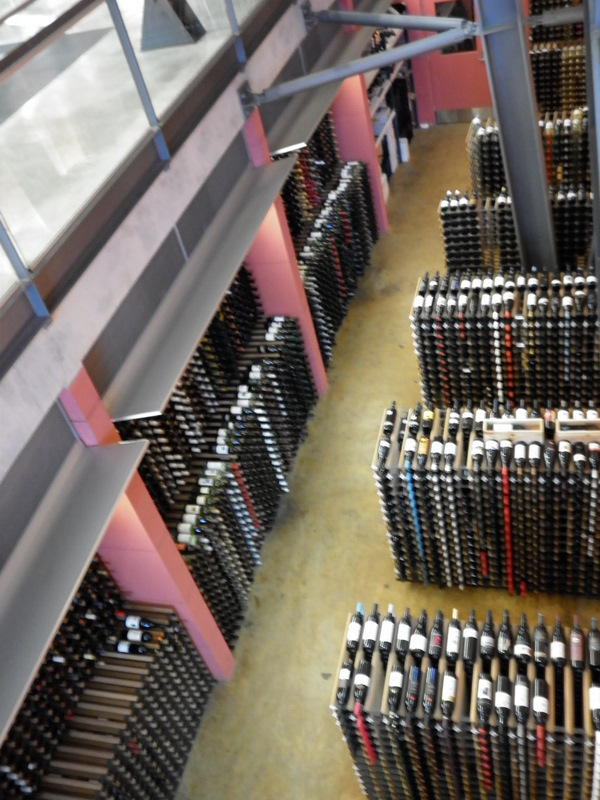
 Wine prices are dropping, producers are struggling, cleanskins are abundant. These are the signs of the oversupply being experienced by the industry at the moment. You probably know of people picking up a case of wine XY for $12, how and why?
The wine glut has become a wine lake in Australia and it is not a good time to be a vineyard owner of low quality/high yield grapes.
First some key facts:
– With a favourable climate, Australia is a top 10 producer of wine in the world but still makes only around 2-3% of the total (bordeaux alone makes more). But around a third of that produced is exported making it the fourth largest exporter of wine worldwide. And yes, Australia general wine quality in all price segments is world class.
SALES ARE UP
– Exports in litres have risen substantially(ie by about 780 million litres) in the past 30 years:
1982- 8 million
1988-39 million
1995-113.6 million
2001-338.3 million
2007-787.2 million
2010- 788.4 million
-Domestic sales per litre are also up, but nowhere near as much:
1995-313.3million
2001-386.2 million
2007-456 million
2010-470.7million
TOTAL
That is a total of 1 250 million litres in 2010, up from 427 million in 1995. The breakthrough was 2002-2003 when the total cracked the billion litres with a jump of 100 million litres in exports. Think of that,,,100 MILLION litre increase in one year!!!
The key here was the idea in the late 80s through the 90s, when exports took off, that that demand would continue to rise at a similar rate. In anticipation of a rise, masses of vines (mainly Chardonnay, Cab Sauv) were planted and investment in the area was huge, everyone wanted a piece of the pie. In the 90s, Wine Australia drew up a plan to establish itself as a $4.5 billion dollar industry by 2025…that target was met in 2005 and it sits around $5 billion at the moment.
But nothing lasts forever and all markets have a saturation point. One problem is Australia’s acquired image of “cheap sun in a bottle” (think: Yellow Tail and Jacobs Creek et al) which was great to put Australian wine on the map,,,but for the most part, it kept this cheap image without effectively moving the Oz wine drinkers to trade up to higher quality wines.
Tastes and Fashion change, Argentina/Chile and southern France have come in to compete in the “cheap but good” category and exports have plateaued. At the same time, vines planted in the late 90s solely to get on the export bandwagon have now come into bearing, but are producing grapes nobody wants.
Sales stop growing+ vines in bearing keep growing =too many vines
Supply>Demand
The first affected are the producers of lower quality grapes, many left with hundreds of tonnes of unwanted grapes. And this effect follows the value chain up dropping most wines down a price point (except highly sought after prize wines in which place the rich just get richer and stay there).
Some producers turn to dumping stock as cleanskins or at auctions to make way for the next vintage,,,it is all about cash flows and bottles/barrels of wines in a cellar tie up capital. I dealt with this in another post about cleanskins.
SO: a buyers market means golden times for consumers! You now have mountains of quality wines available all over the place at an affordable price…a good time to get to know more about wine!
 - WINEDUCATION -